Common Problems
The Dacor Hood Liner Inside Your Joinery Can Be Serviced From Below
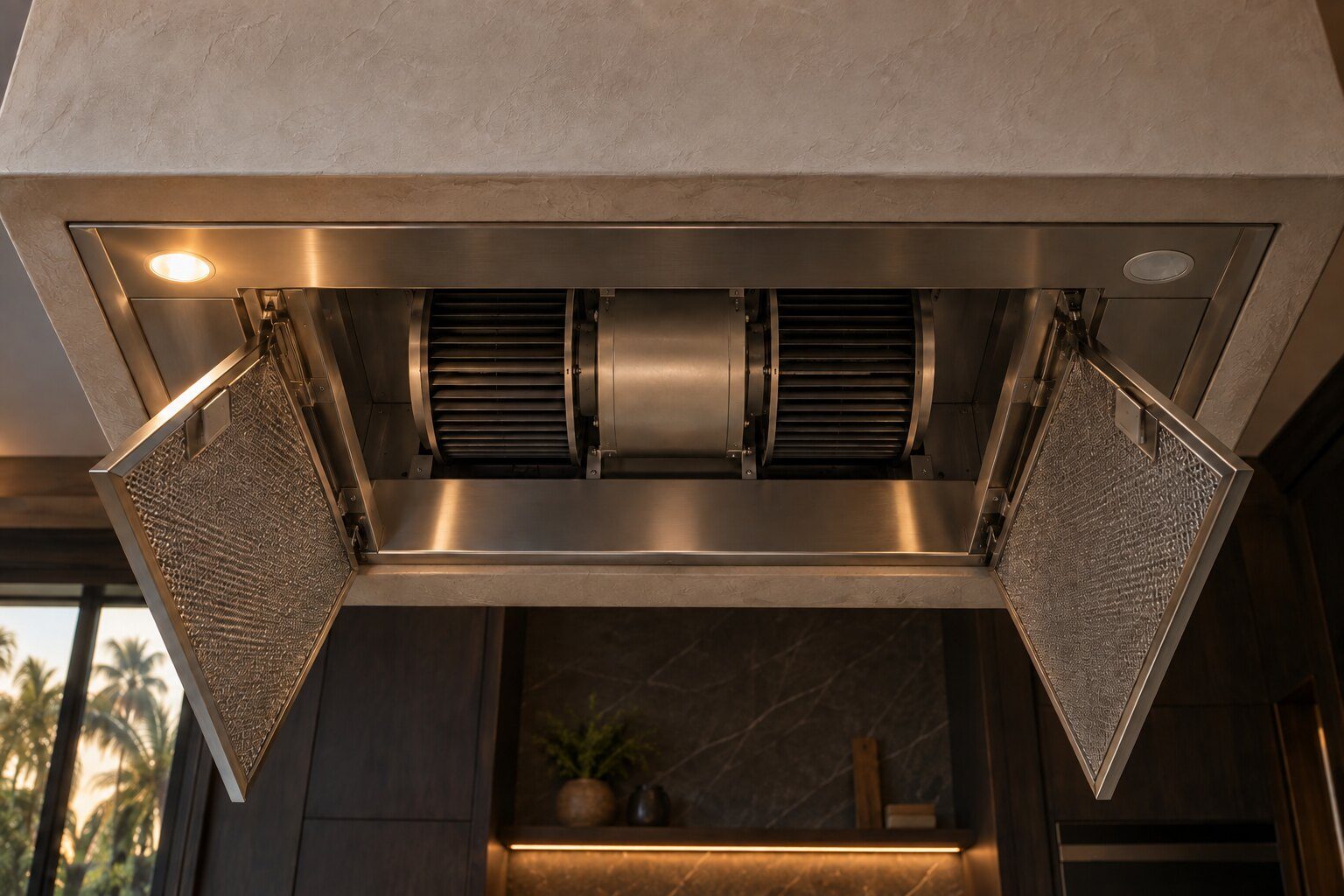
Dacor hood liner inserts are about five and a half inches tall and are built into a hood that a joiner made, which is why owners assume a repair means dismantling the carpentry. It rarely does. These units are designed to be serviced from below: the filters come down, and the blower, the lamps and the connections are reachable through the opening. A kitchen that has been venting badly for a year is usually put right in a single visit without a mark on the millwork. The common problems are ordinary ones — filters loaded with grease, a blower wheel coated unevenly and out of balance, an LED module or its driver, and the duct connection immediately above the liner, which is a frequent failure point and invisible from the kitchen. There is no error code: the manufacturer's hood manual troubleshoots in plain English because the control panel has no display.
The full guide
This is the repair people live with for a year, and it is usually the easy one.
Dacor hood liner repair: why it gets postponed
A hood liner is not a hood. It is an appliance about five and a half inches tall hidden inside a canopy that a joiner built to match the kitchen — plaster, timber, sometimes stone. From below all you see is the underside and the filters, and the reasonable assumption is that anything wrong with it involves a carpenter.
So the fan gets louder, the kitchen stops clearing, and nobody calls.
What can actually be reached
The filters come down by hand. Behind them the blower and its housing are reachable, the lamps and their driver are reachable, and so is the connection between the liner and the duct above it. That covers essentially every problem these units have.
We work through the opening, and the millwork stays where it is. On the rare installation where a joiner has boxed one in with no service access, we say so before anything starts.
The three problems, in the order they happen
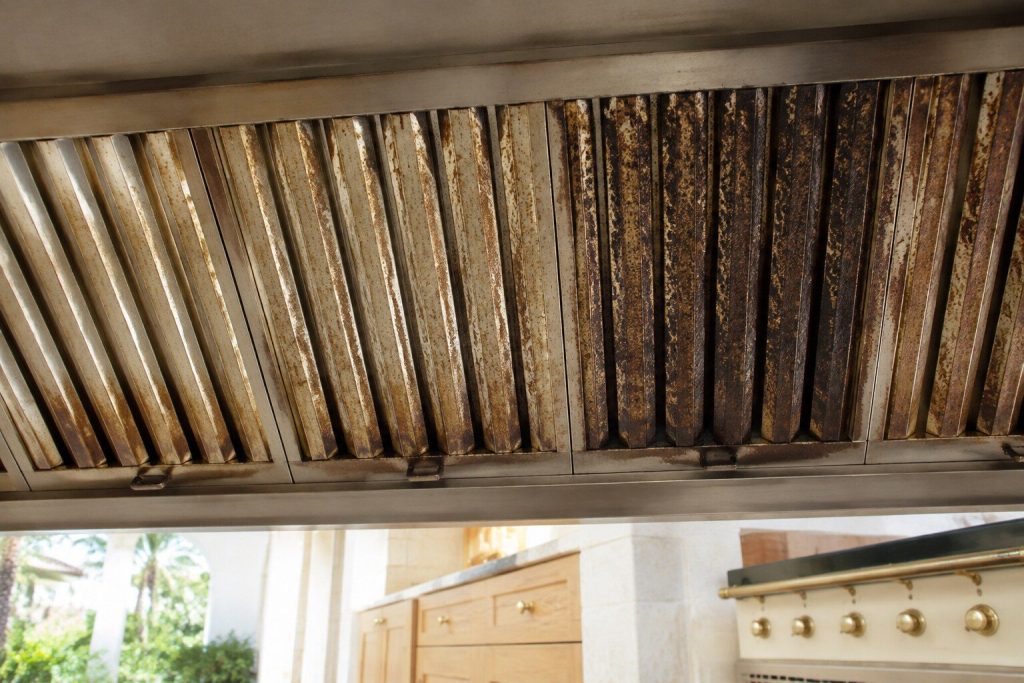
Filters load with grease evenly and silently, and the kitchen adjusts to the loss of performance without anybody noticing the week it became bad.
Then the blower wheel. Grease collects on it unevenly, the balance goes, and it hums or rattles at particular speeds. A wheel cleaned properly is quieter than a new motor fitted over old grease — which is why this visit usually ends without a part.
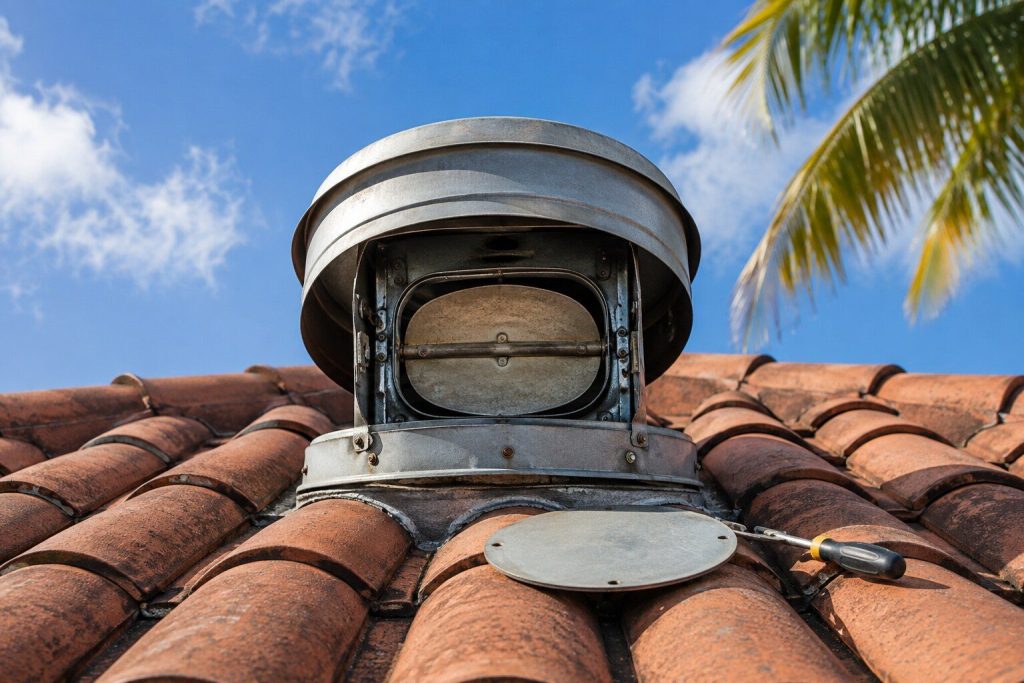
Then the duct. The joint immediately above a liner is a common failure and completely invisible from the kitchen, and it is checked while we are up there.
What a photograph from below tells us
More than you would expect. Which liner it is, how the filters are arranged, whether there is a service opening, and often what condition the underside is in. It frequently decides what goes on the van, which is the difference between one visit and two.
Why there is no code to quote
The control panel on these hoods is a set of buttons with no display. The manufacturer's own manual troubleshoots them as problem, cause and solution in plain English — Nothing Works, Lights not working, Fan not drawing heat and smoke properly. Any site publishing FAN-FAIL or NO-POWER as a Dacor hood code is contradicting the document that came with the appliance.
What a service visit on one actually looks like
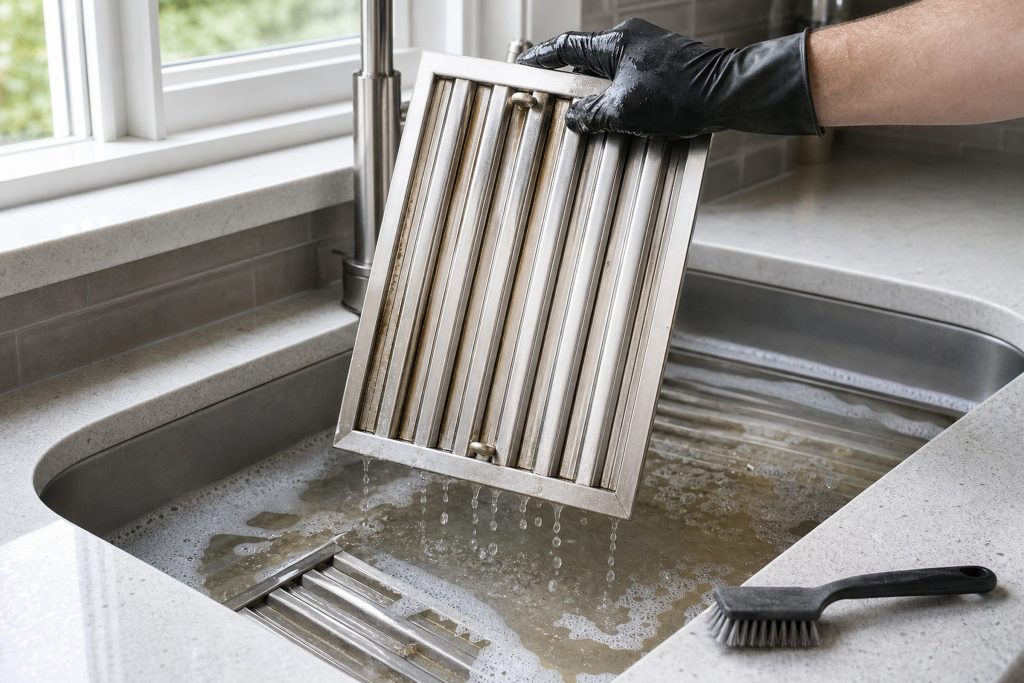
Filters down and into a degreaser. The blower out where the design allows it and washed rather than wiped, because a wheel cleaned in place keeps most of what unbalanced it. Lamps and driver checked while the opening is accessible. Then the duct connection immediately above, which is the failure nobody can see from the kitchen.
It is one visit and the millwork is untouched at the end of it. What we will not do is promise that before looking: a joiner who boxed a liner in with no service access at all exists, and where that is the case we say so before starting rather than halfway through.
If it turns out to be a repair
What this leads to, and what it costs
Every job on this site is priced the same way: an on-site diagnostic first, the figure agreed in writing before anybody starts.
-
from $175 Hood liner service
The liner inserts are about five and a half inches tall and live inside a hood built by a joiner, which is why owners put off calling: they assume the carpentry has to come apart. In nearly every case it does not. These units are designed to be serviced from below — filters down, blower and lamps reachable through the opening — and a kitchen that has been venting badly for a year can usually be put right in a single visit without a mark on the millwork.
- Designed to be serviced from below — the joinery stays where it is
- About five and a half inches of appliance inside somebody else's hood
- The postponed repair is usually the easy one
-
from $165 Hood motor and blower service
Noise and weak extraction are the two hood complaints, and both are usually grease before they are parts. A blower wheel collects it unevenly, goes out of balance and hums or rattles at particular speeds; filters block gradually enough that nobody notices the day the kitchen stopped clearing. What is not grease is a bearing, a mount that has loosened, or a duct that has come apart above the ceiling — and in South Florida buildings, with long shared runs, the duct is a more common answer than people expect.
- Gradual noise is grease and balance; sudden noise is a bearing or a mount
- Weak extraction starts at the filters and often ends at the duct
- Long shared duct runs are ordinary here and are part of the diagnosis
-
The fan sounds normal and the smoke stays Hood runs but the kitchen does not clear
A hood can be in perfect working order and still fail to clear a kitchen, which is why this complaint is diagnosed from the outlet backwards rather than from the appliance forwards. Filters block gradually enough that nobody can name the day it got bad. Beyond them, in South Florida buildings, the duct run is often long and shared, and a run that has come apart above the ceiling or a backdraught damper stuck shut will leave a healthy blower pushing against nothing at all.
- Filters first — they block slowly enough that nobody notices
- Then the duct: long shared runs are ordinary in buildings here
- A healthy fan pushing into a blocked run sounds completely normal

Questions people ask about this
Will you have to cut into my hood?
Practically never. We establish what can be reached through the opening before anything is unscrewed from the surround, and on these liners that is almost everything that fails. Where a joiner has boxed one in tight with no service access at all, we say so before starting rather than halfway through.
The fan sounds fine but the kitchen does not clear.
Then the restriction is past the appliance. Filters first — hold one up to a light, and if light does not pass, air does not either — and then the duct above. In buildings here the run is often long and shared, and a joint that has separated above the ceiling leaves a healthy blower pushing into nothing.
How often should the filters be cleaned?
Monthly in a kitchen that cooks most nights. Baffles go in the dishwasher, mesh filters prefer hot water and a degreaser. It is the highest-value maintenance in the room and it is the reason half of these visits are not needed at all.
Common Problems
More guides like this one
-

Two Degrees Is a Problem on a Dacor Wine Column
The cabinet is specified to hold within about a third of a degree, so a drift most refrigerators would shrug off is a genuine failure here. How many zones are wrong is the question that decides the repair.
Read more -

Why Five Dacor Appliances Show No Error Code At All
The refrigeration, the freezer columns, the wine column, the hoods and the microwaves publish no error codes in either era. Sites that list them anyway are quoting strings the manufacturer's own manual contradicts.
Read more -
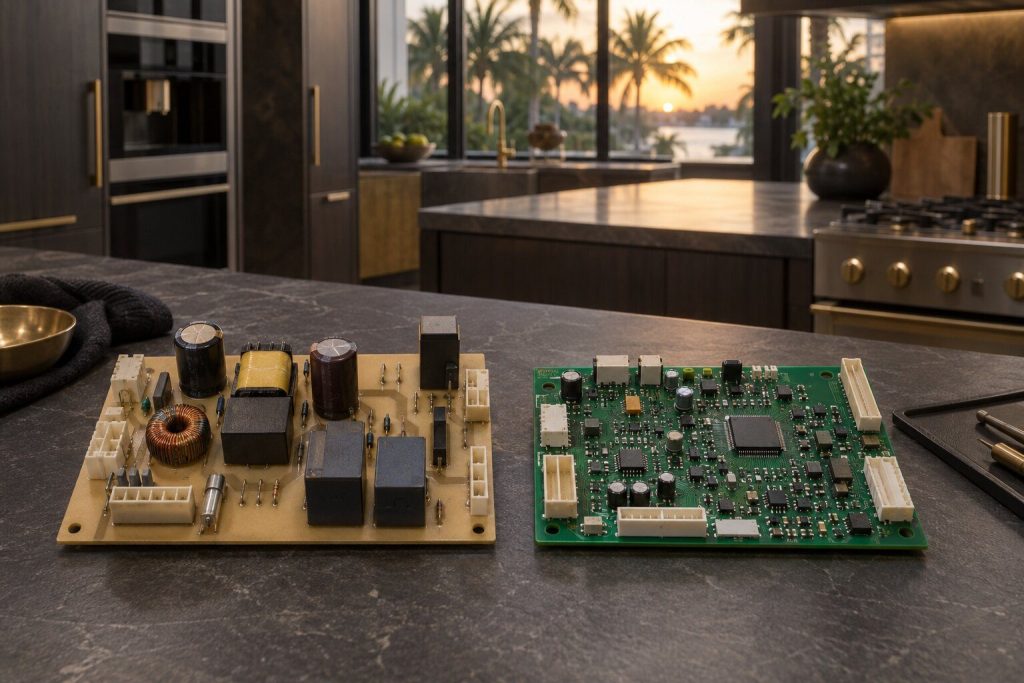
When Your Dacor Is a Samsung Underneath, and When It Is Not
Samsung has owned Dacor since September 2016 and runs it as its ultra-premium subsidiary. What that genuinely changed is the electronics platform — and what it did not change is worth being equally clear about.
Read more
Tell us the model number and what it is doing.
This article is based on:
- Official manufacturer documentation
- Internal repair procedures
- Technician repair history
- Company quality standards