Maintenance & Prevention
Dacor Hood Filters, Monthly: the Cheapest Maintenance in the Kitchen
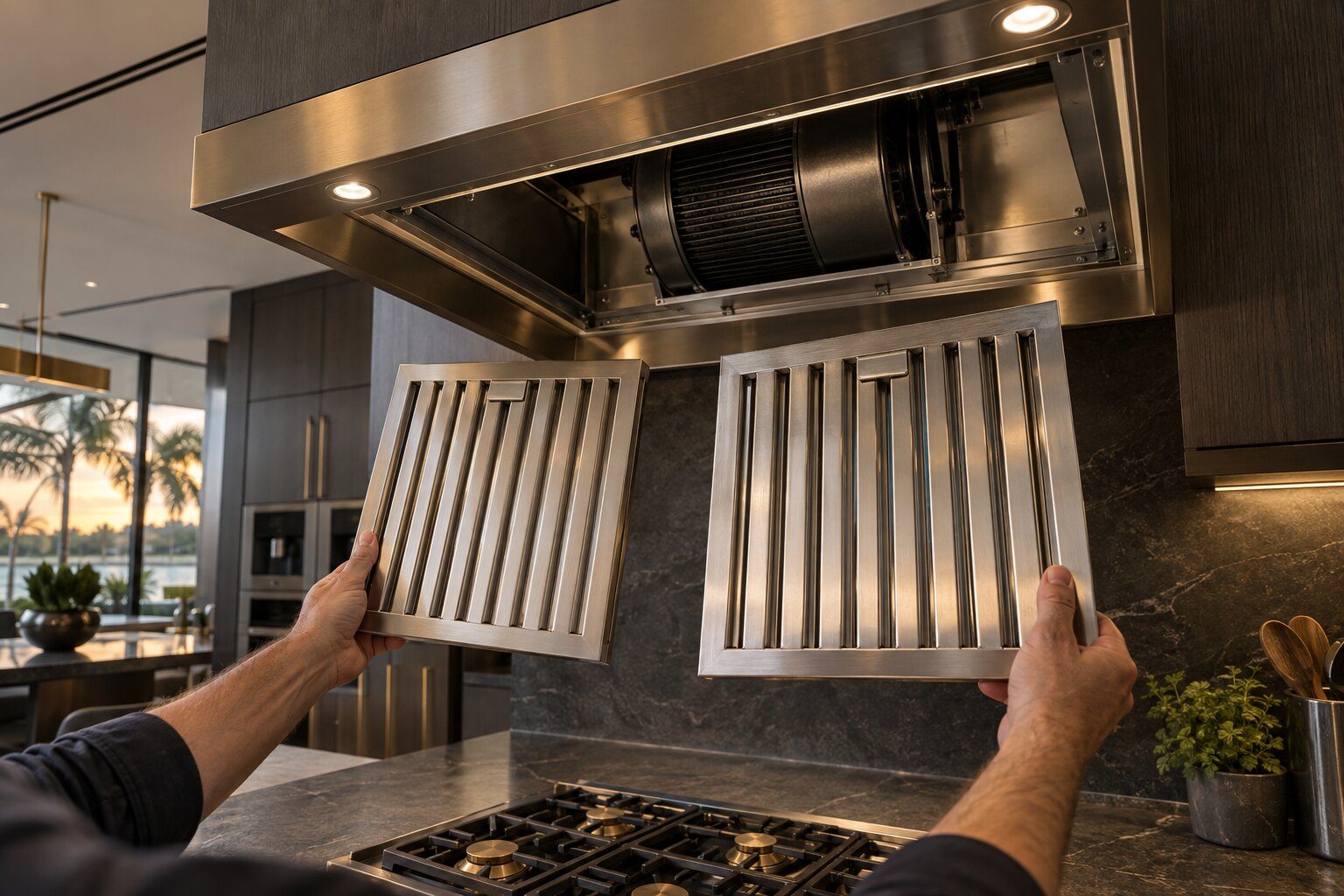
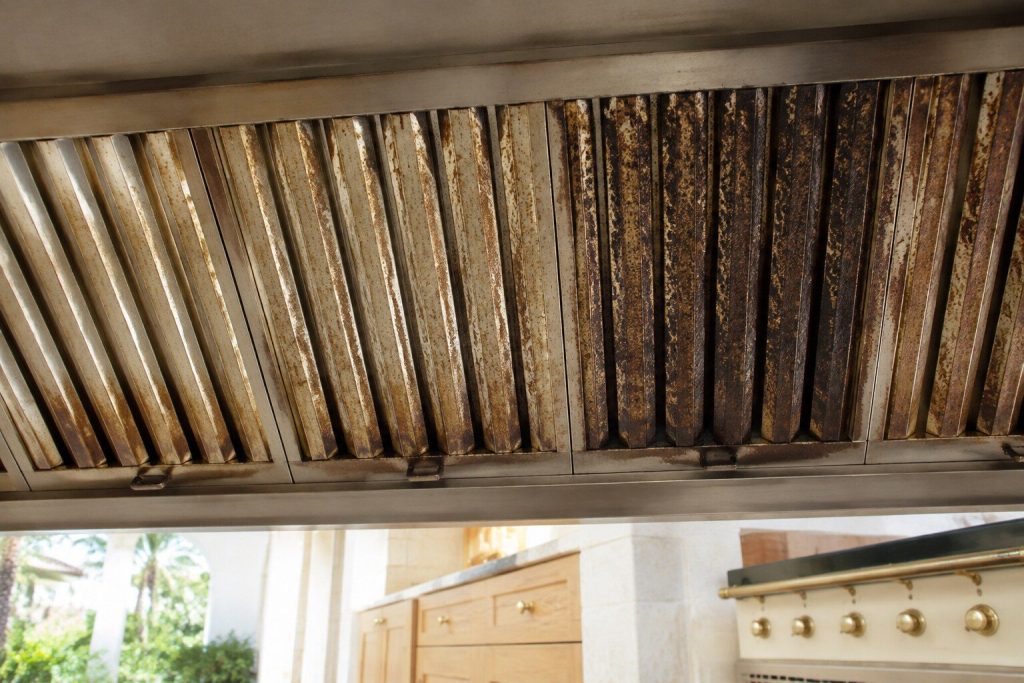
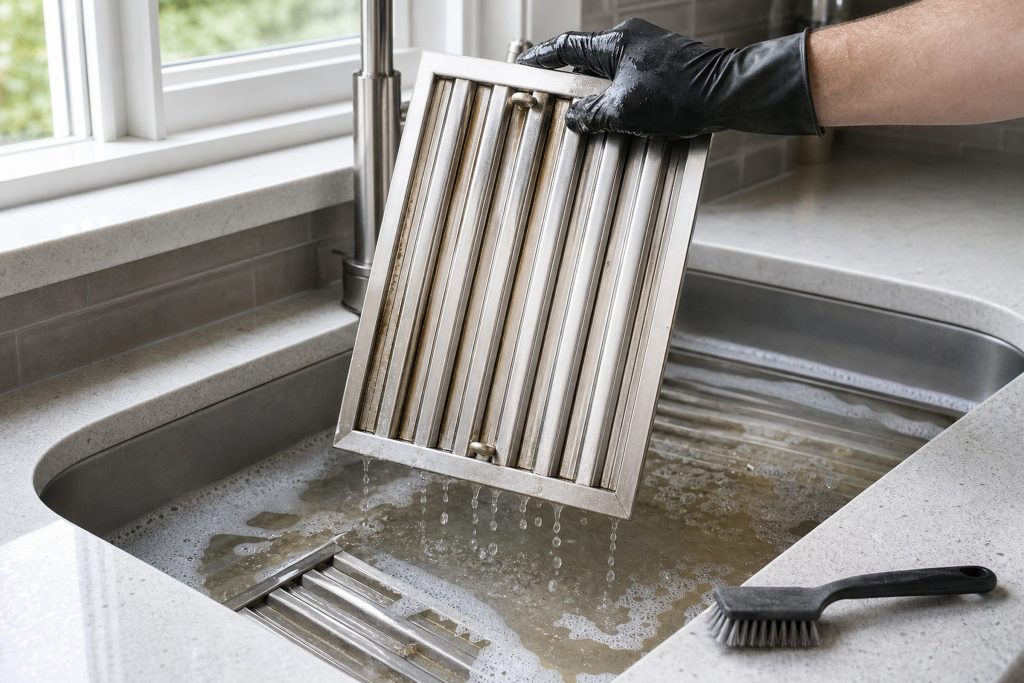
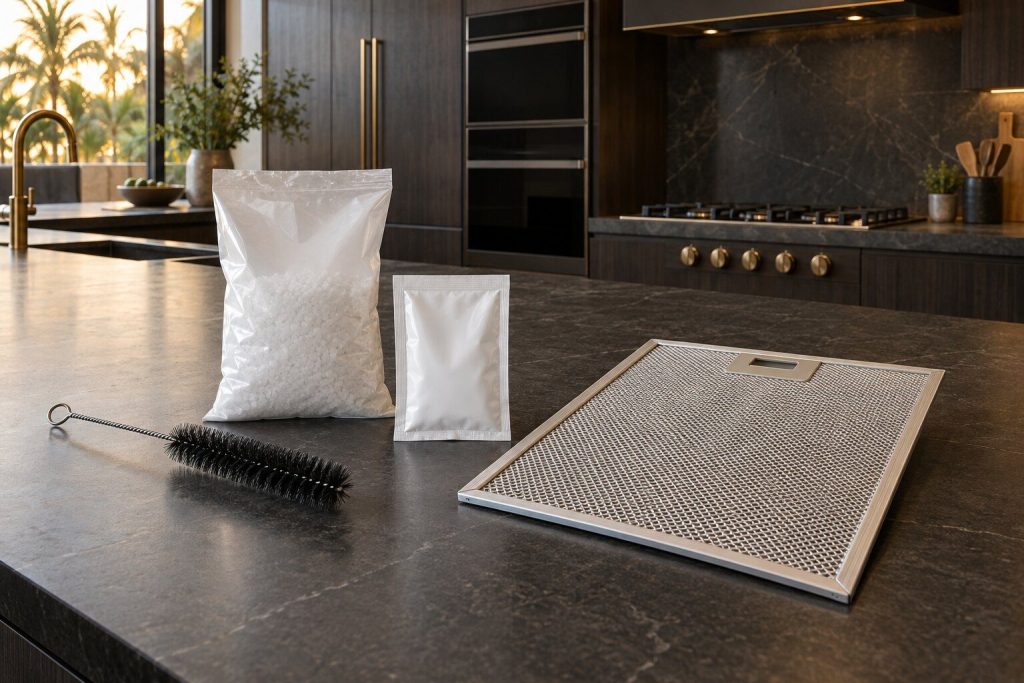
Range hood filters block gradually, which is exactly why nobody notices: performance falls a little each month and the kitchen adjusts. Hold one up to a light — if light does not pass through the mesh, air is not passing either. Baffle filters go in the dishwasher on their own cycle; mesh filters prefer hot water and a degreaser and should not go in a dishwasher at all on some hoods. Monthly is right in a kitchen that cooks most nights. What makes it more than housekeeping is what happens next: grease that gets past loaded filters lands on the blower wheel, collects unevenly, puts the wheel out of balance and turns a clean hood into a noisy one. A wheel cleaned properly is quieter than a new motor fitted over old grease, and cleaning the filters is what keeps the wheel from getting there.
The full guide
Of everything on this site, this is the job with the best ratio of effort to result.
Dacor range hood filter: why nobody notices
A filter does not fail. It loads, evenly and slowly, and the hood moves a little less air each month. The kitchen adjusts — a window opened, a fan run longer, a smell that lingers a bit — and nobody can name the week it became bad.
The test is instant and nobody does it: hold a filter up to a light. If light does not pass through the mesh, neither does air.
Baffle and mesh are not the same
Baffle filters are the stainless chevrons on the professional hoods. They separate grease by making the air change direction, they are robust, and they go in the dishwasher on their own cycle.
Mesh filters are layered aluminum and they prefer hot water and a degreaser by hand. On some hoods a dishwasher will dull or corrode them, which is cosmetic but permanent.
Either way they go back dry and the right way round.
What loaded filters cost you later
Grease that gets past lands on the blower wheel. It collects unevenly, the wheel goes out of balance, and the hood starts to hum or rattle at particular speeds.
That is the point at which people call. And the repair is not a motor — it is the wheel off and washed properly, because a balanced wheel is quieter than a new motor fitted over old grease.
The filter nobody knows about
If the hood recirculates rather than ducting outside, there is a charcoal filter behind the grease ones. It is not washable, it has a life measured in months, and in most kitchens it has never been changed.
A recirculating hood with a dead charcoal filter is a fan that moves air around a room. Half the disappointing hoods in condominiums are exactly that, and nobody told the owner.
The indicator light
It is a timer on most of these hoods rather than a sensor, so cleaning the filter does not clear it — it has to be reset by hand. That is worth knowing before somebody books a visit for a light that is doing precisely what it was designed to do.
What a loaded filter does to the room
Grease that the filter does not catch does not disappear. It condenses on the ceiling above the hood, on the wall cabinets either side, and on the underside of the canopy itself, where it goes tacky and then hard.
That is a decorating problem rather than an appliance one, and it outlasts any repair. Kitchens where the filters have been done monthly for ten years look it; kitchens where they have not are usually repainted before they are re-hooded. It is worth saying because the case for this job is not really about the hood at all.
If it turns out to be a repair
What this leads to, and what it costs
Every job on this site is priced the same way: an on-site diagnostic first, the figure agreed in writing before anybody starts.
-
from $175 Hood liner service
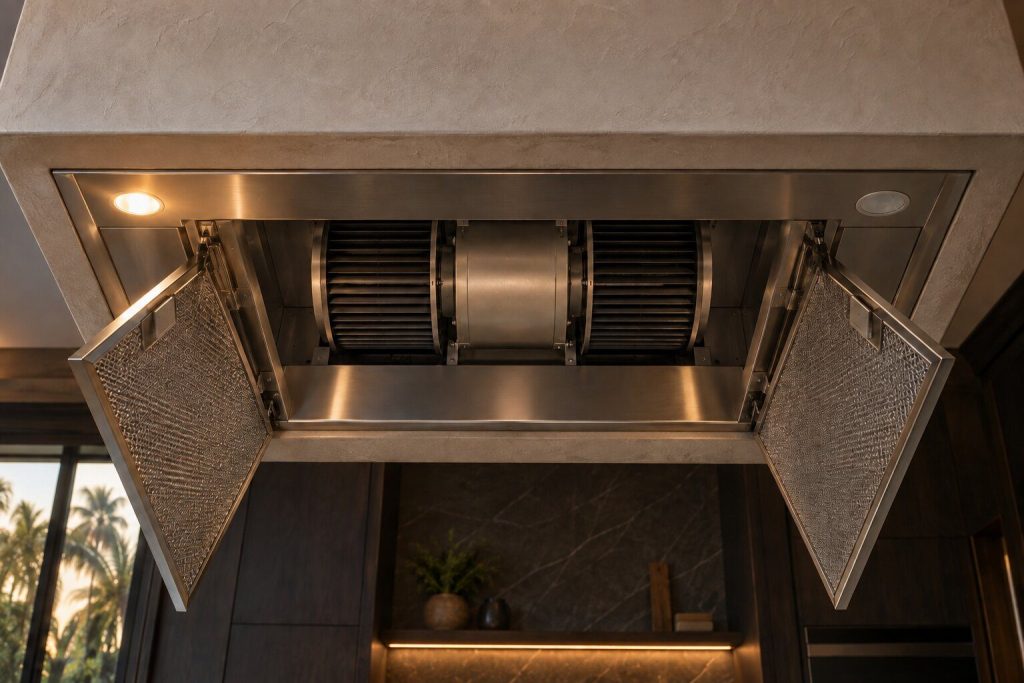
The liner inserts are about five and a half inches tall and live inside a hood built by a joiner, which is why owners put off calling: they assume the carpentry has to come apart. In nearly every case it does not. These units are designed to be serviced from below — filters down, blower and lamps reachable through the opening — and a kitchen that has been venting badly for a year can usually be put right in a single visit without a mark on the millwork.
- Designed to be serviced from below — the joinery stays where it is
- About five and a half inches of appliance inside somebody else's hood
- The postponed repair is usually the easy one
-
from $165 Hood motor and blower service
Noise and weak extraction are the two hood complaints, and both are usually grease before they are parts. A blower wheel collects it unevenly, goes out of balance and hums or rattles at particular speeds; filters block gradually enough that nobody notices the day the kitchen stopped clearing. What is not grease is a bearing, a mount that has loosened, or a duct that has come apart above the ceiling — and in South Florida buildings, with long shared runs, the duct is a more common answer than people expect.
- Gradual noise is grease and balance; sudden noise is a bearing or a mount
- Weak extraction starts at the filters and often ends at the duct
- Long shared duct runs are ordinary here and are part of the diagnosis
-
The Dacor Hood Liner Inside Your Joinery Can Be Serviced From Below
Owners postpone this repair for a year because they assume the carpentry has to come apart. In nearly every case it does not — these inserts are designed to be reached through the opening.
Read more

Questions people ask about this
The filter indicator light is still on after cleaning.
It is a timer rather than a sensor on most hoods, so it has to be reset by hand — usually by holding a button for a few seconds. A light that will not reset after that is worth a call, but it is a control matter rather than an extraction one.
Mine is a liner hidden inside a plaster hood. Can I still do this?
Yes. The liner inserts are designed to be serviced from below — the filters come down by hand through the opening, and the millwork stays exactly where it is. It is the same job as on a canopy hood.
Is it recirculating or ducted?
Worth finding out, because a recirculating hood has a charcoal filter behind the grease filters that nobody ever changes. It is not washable, it has a life of months rather than years, and a hood that has been recirculating through a dead one is not clearing anything.
Maintenance & Prevention
More guides like this one
-

The Dacor Steam Oven Descale Nobody Mentions on Delivery
A reservoir, a pump and a water path that South Florida scales quickly. Descaled on schedule these systems last well; ignored, the scale takes the pump with it — and that is the repair this maintenance exists to prevent.
Read more -
The Dacor Maintenance Nobody Hands You on Delivery
A dishwasher softener, a steam reservoir, a coffee filter and a column air path. Four items with real intervals, none of them mentioned when the kitchen was handed over, and all four decide how long the equipment lasts.
Read more -

Cloudy Glass in a Dacor Dishwasher: Deposit or Etching
One glass and ten minutes of white vinegar settle it. Deposit washes off and means the water needs treating; etching is permanent and no repair reverses it — and this machine has its own softener, which is usually the answer.
Read more
Tell us the model number and what it is doing.
This article is based on:
- Official manufacturer documentation
- Internal repair procedures
- Technician repair history
- Company quality standards