Common Problems
F2 on a Dacor Means Three Different Things
F2 is the clearest example of why a Dacor code cannot be looked up on its own. On a Classic ERC wall oven or range it means Heating Mode High Temperature — the control detected a runaway heat condition and shut the cavity down, which is urgent and should not be cleared and re-run. On an ER-series range it means a communication problem between the control panel and the relay board, which is frequently the data cable between them rather than either board. On a Modernist induction cooktop it means a communication failure with the touch-enabled controller, which presents as a cooktop that lights up and refuses to be operated. The same is true of F0, F1 and F3. Establishing the appliance and the era before reading any meaning is not pedantry on this make — it is the difference between an urgent safety problem and a cable.
The full guide
Search for a Dacor code and you get three answers that contradict each other. All three can be right.
Dacor f2 error code: the three F2s
On a Classic ERC wall oven or range — the pre-2016 machines with Dacor's own control boards — F2 is Heating Mode High Temperature. The control detected a runaway heat condition and stopped the cavity. Usually a relay that has welded closed and is keeping an element powered, or a sensor reading far too low so the control keeps calling for more heat.
On an ER-series range — also pre-2016, but a different platform with its own technical manual — F2 is a communication problem between the control panel and the relay board. On these the data cable between the two is a commoner cause than either board, which makes it one of the cheaper problems in that table.
On a Modernist induction cooktop — the current, Samsung-platform generation — F2 is a communication failure with the touch-enabled controller. The surface lights up and ignores every press.
Why this is not a documentation error
Two entirely separate engineering efforts, two decades apart, both used F-numbers because F-numbers are what appliance controls have always used. The pre-2016 tables are Dacor's own; the current induction table came with the Samsung platform. Nobody coordinated them because there was nothing to coordinate.
The result is a make where the code is half the question and the appliance is the other half.
The same applies to F0, F1 and F3
F0 is a shorted or jammed input device on a Classic ERC oven, and a communication failure between the main and sub boards on an induction cooktop.
F1 is the ERC's bake-and-broil watchdog on a Classic oven, a general internal problem on an ER-series range, and an EEPROM communication failure on an induction cooktop.
F3 is a shorted oven temperature sensor on a Classic machine and a general external problem on an ER range.
Where there is no ambiguity
The dishwashers. An F with a dash — F-1 through F-9 — is always the pre-2016 EDW or IDW platform. A letter pair ending in C — LC, 4C, 5C, HC, 3C, PC — is always a current machine. Nothing crosses.
What to do with a code before you search for it
Find the model number. It takes a minute, it settles the era, and on this make it converts a string that has three meanings into one that has exactly one.
Why this site organizes codes by appliance
Because a single index of Dacor codes sorted by number would be actively misleading. There is no row for F2 on this site — there are three, one under the Classic ERC ovens and ranges, one under the ER-series ranges, and one under the Modernist induction cooktops.
That is more work to build and more clicks to read, and it is the only arrangement that cannot give somebody the wrong answer. A table that merges them would have to pick a winner, and whichever it picked would be wrong two-thirds of the time.
If it turns out to be a repair
What this leads to, and what it costs
Every job on this site is priced the same way: an on-site diagnostic first, the figure agreed in writing before anybody starts.
-
Oven error code F2
Dacor oven error code F2: The cavity went hotter than the control was asking for, and the control shut it down. Which machines can raise it, what the maker publishes about it, and what to do next.
What this one means -
Range error code F2
Dacor range error code F2: Two boards that have to talk to each other have stopped, and on this platform the cable between them is a more common cause than either board. Which machines can raise it, what the maker publishes about it, and what to do next.
What this one means -
Cooktop error code F2
Dacor cooktop error code F2: The chip that reads the touch surface is not answering. Which machines can raise it, what the maker publishes about it, and what to do next.
What this one means
Questions people ask about this
How can one brand use the same code twice?
Because two engineering teams twenty years apart both reached for the same characters. Dacor's own pre-2016 boards used F-numbers; the Samsung platform that replaced them uses C-## and #C strings, and its induction cooktops happen to use a short F-series of their own. The overlap is a coincidence of notation, not a shared meaning.
My oven shows F2 — what do I do right now?
If it is a Classic ERC oven or range, switch it off at the breaker and leave it off until it is seen. That code means the cavity went hotter than the control asked for, and clearing it to see whether it happens again is the one response that can turn a repair into an incident.
Which appliances are affected by this?
The ovens, ranges and induction cooktops. The dishwashers are unambiguous — an F with a dash is always the pre-2016 EDW or IDW platform, and a letter pair ending in C is always a current machine.
Common Problems
More guides like this one
-
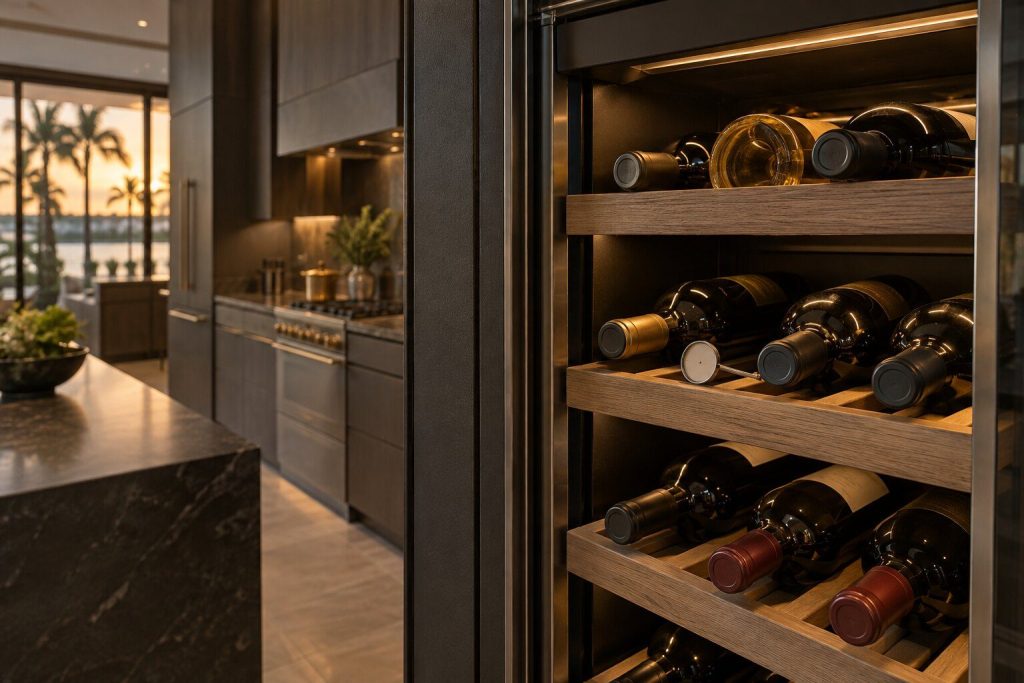
Two Degrees Is a Problem on a Dacor Wine Column
The cabinet is specified to hold within about a third of a degree, so a drift most refrigerators would shrug off is a genuine failure here. How many zones are wrong is the question that decides the repair.
Read more -
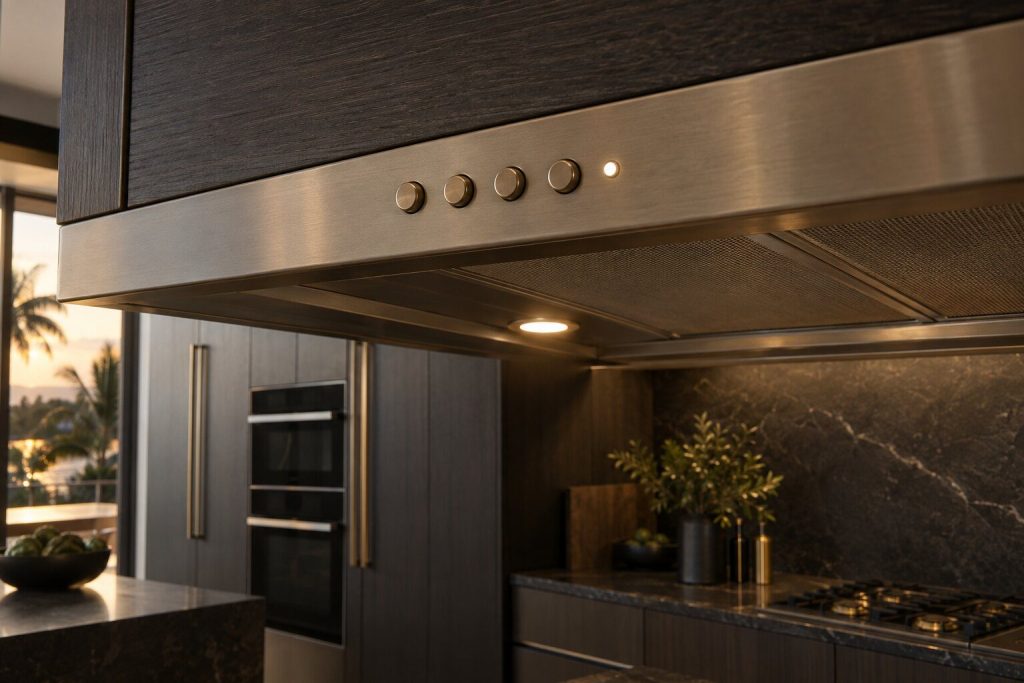
Why Five Dacor Appliances Show No Error Code At All
The refrigeration, the freezer columns, the wine column, the hoods and the microwaves publish no error codes in either era. Sites that list them anyway are quoting strings the manufacturer's own manual contradicts.
Read more -
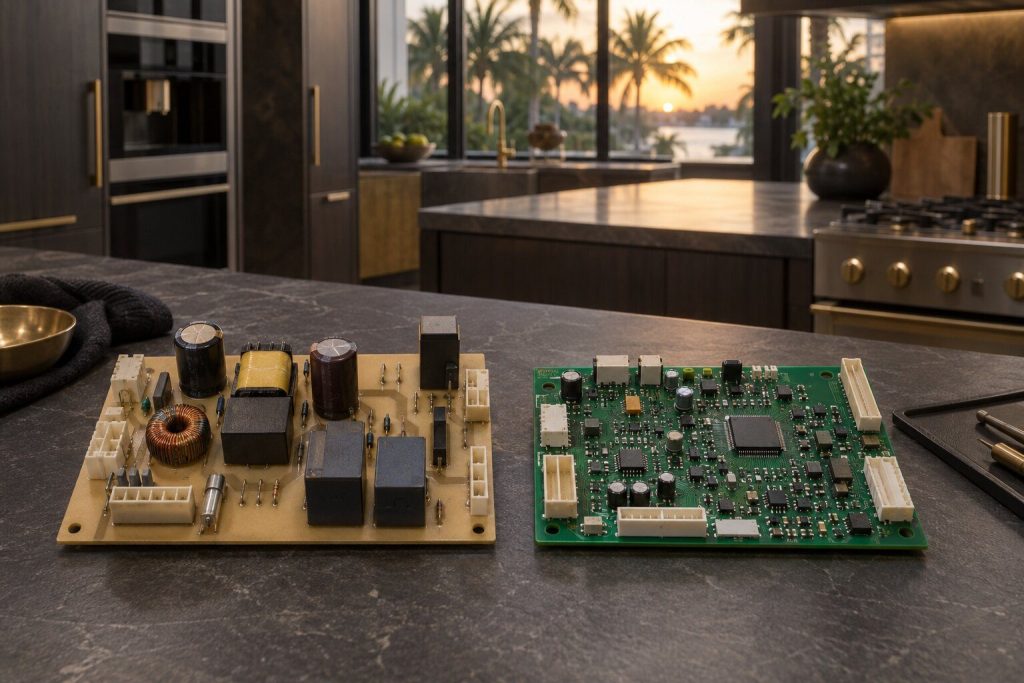
When Your Dacor Is a Samsung Underneath, and When It Is Not
Samsung has owned Dacor since September 2016 and runs it as its ultra-premium subsidiary. What that genuinely changed is the electronics platform — and what it did not change is worth being equally clear about.
Read more
Tell us the model number and what it is doing.
This article is based on:
- Official manufacturer documentation
- Internal repair procedures
- Technician repair history
- Company quality standards