Service
Dacor drying and heat repair
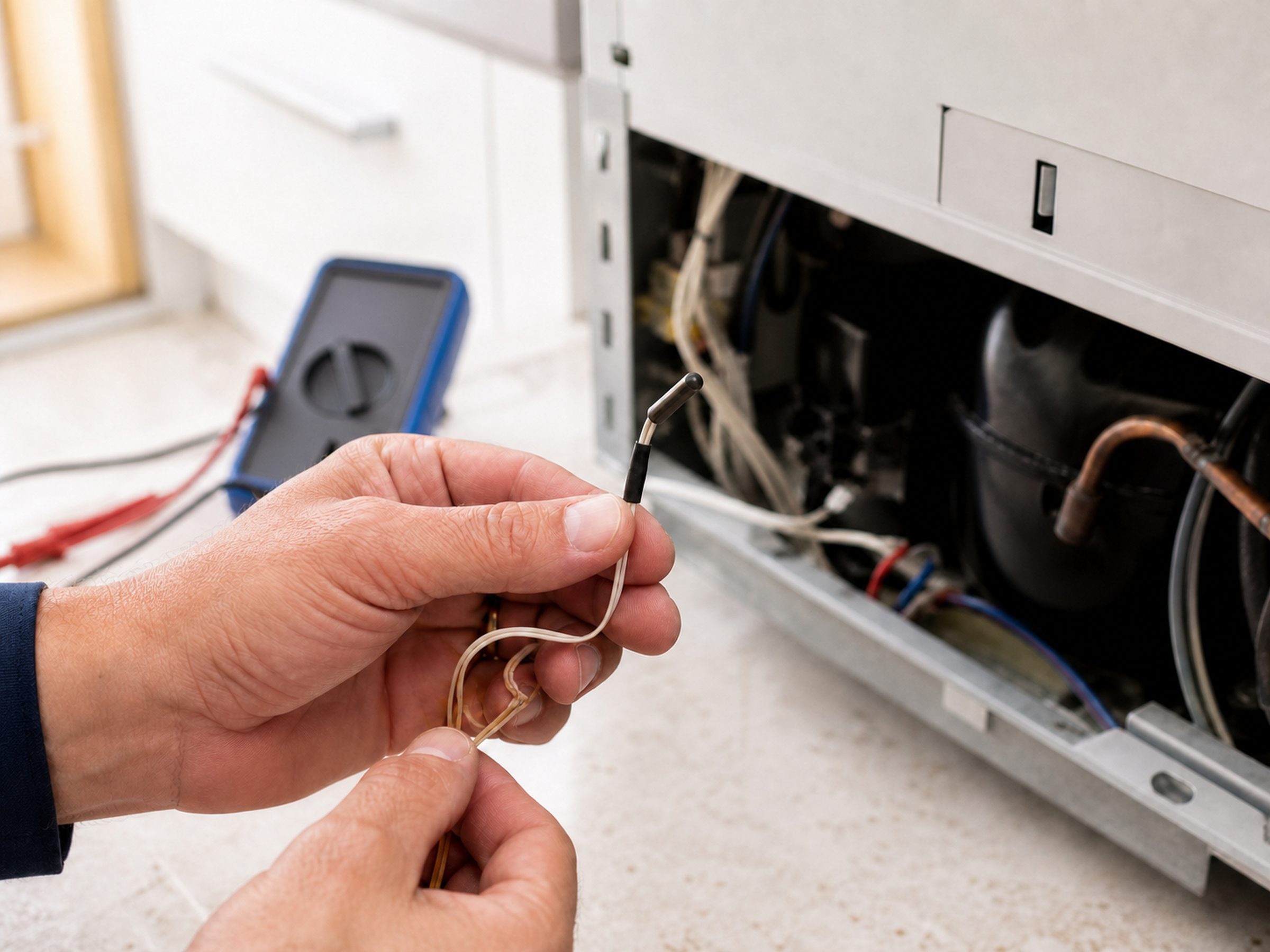
Poor drying on a modern dishwasher is usually a misunderstanding before it is a problem, and we would rather explain that than sell a visit. These machines dry without a hot element roasting the load: they use residual heat and an opening door, which leaves plastics damp and glass dry, and that is the design. What is a problem is water still standing on upturned crockery, glass coming out cloudy and warm, or a machine that no longer heats the wash at all — and those three point at the heater, its thermistor or the control that runs them.
- From $95 diagnostic, credited to the repair
- 59 cities and neighborhoods covered
- OEM parts available on order
- In writing the price, before anything is opened
Before you read on
What this job costs and how it is agreed
A starting figure, not a quote. What moves it is the model, how the unit is built in and which part it needs — settled after the on-site diagnostic.
Starts at
from $155
After a diagnostic from $95, which comes off the bill when you go ahead.
or call (305) 363-6067
Diagnostic
From $95, credited to the repair
The price
In writing, before anything is opened
Warranty
On the labor we performed
On the visit
How this visit actually goes
The same order every time, so nothing is opened and nothing is charged before you have seen the figure and said yes.
-
01
Separate design from defect
What was loaded, where, and what came out wet. Five minutes here prevents a repair that was never needed.
-
02
Measure the wash temperature
Against what the cycle claims. A heater that half works is invisible except on a measurement.
-
03
Test the parts, then the control
Element continuity, thermistor curve, and only then the board. In that order, every time.
Applies to
The Dacor units we carry this work out on
-
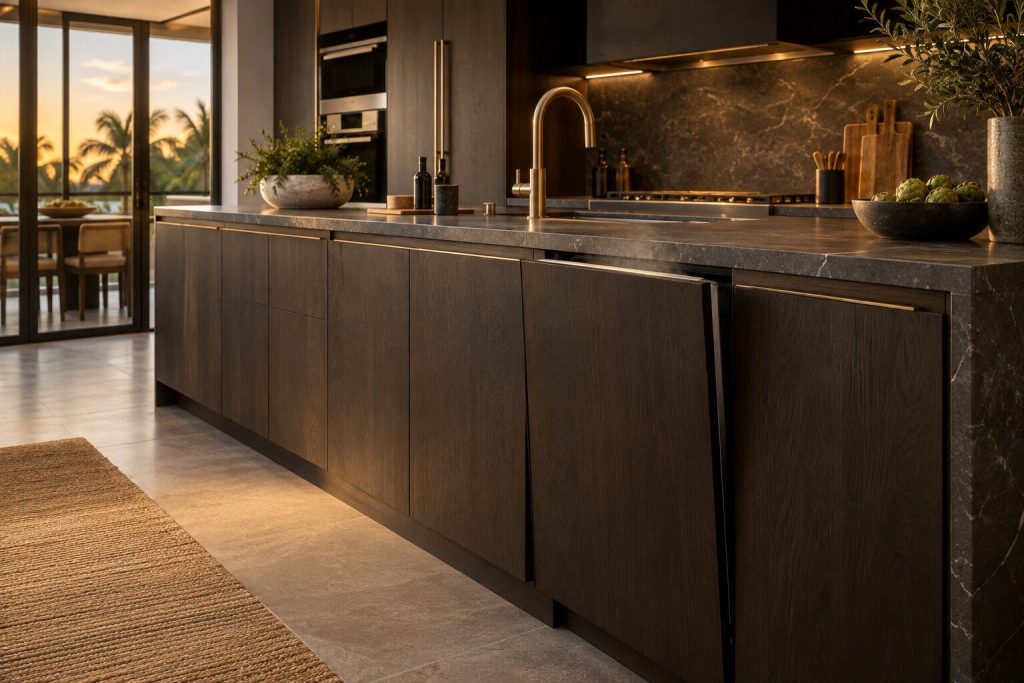
24-inch panel-ready · StormWash+ and AutoRelease Dacor dishwasher repair in Miami
Twenty-four inches, panel-ready, and two generations of it in South Florida kitchens. The current machine carries StormWash+, a water softener built into the appliance itself and an AutoRelease door that pops open at the end of a cycle to dry; the generation before it is the WaterWall platform with a third rack, quiet enough to be rated at 44 decibels. Behind both sits the problem language that changed in 2016: the older EDW and IDW machines report F-1 through F-9, the current ones report letter codes ending in C. Knowing which of those two a kitchen has is most of a diagnosis.
- Current platform: StormWash+, built-in water softener, AutoRelease drying door
- Previous Samsung-era platform: WaterWall, third rack, 44 dBA
- Legacy EDW and IDW machines speak F-1–F-9 — a different language entirely
In more detail
About Dacor drying and heat repair
Half of these calls are answered by an explanation
These machines dry without an element roasting the load: residual heat and a door that opens itself. That leaves plastics damp and glass dry, and it is the design rather than a defect — we would rather say so than sell a visit. What is a genuine problem is water still standing on upturned crockery, glass coming out warm and cloudy, or a machine that no longer heats the wash at all. Those three point at the heater, its thermal protection or the sensor watching the water.
This article is based on:
- Official manufacturer documentation
- Internal repair procedures
- Technician repair history
- Company quality standards
Before you book
Questions about Dacor drying and heat repair
Why are the plastics always wet?
Because they hold almost no heat. With residual-heat drying, glass and china come out dry and plastics do not, on every machine that dries this way. A rinse aid makes a visible difference here.
The door does not open at the end any more.
That is the most common real cause of poor drying on this make, and it is a mechanism repair rather than a heating one.
Where we do it
Across Miami-Dade, Broward, and Palm Beach
Same terms everywhere we go: an on-site diagnostic first, the price agreed in writing, and the exact figure confirmed once we have seen the unit.
Neighborhoods people ask for by name